Understanding Crop Rotation
Crop rotation is a strategic practice in agriculture to improve soil health and crop yield. By rotating crops, farmers can disrupt pest cycles, reduce soil erosion, and enhance soil nutrients.
Benefits of Crop Rotation
- Soil Fertility: Different crops replenish soil nutrients differently, ensuring balanced soil health.
- Pest Management: Varying crops can prevent the build-up of pests that thrive on a single crop type.
- Increased Yield: Healthier soil often leads to healthier plants and higher yields.
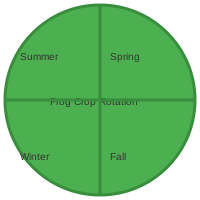
Common Rotational Patterns
Consider these popular crop rotation sequences:
- Corn → Soybeans → Wheat
- Legumes → Root Vegetables → Leafy Greens
- Sunflowers → Legumes → Tubers