Understanding CRISPR: A Revolutionary Genetic Tool
CRISPR, or Clustered Regularly Interspaced Short Palindromic Repeats, has transformed genetic research since its discovery. This powerful tool allows for precise editing of DNA, leading to advancements in medicine, agriculture, and beyond.
How CRISPR Works
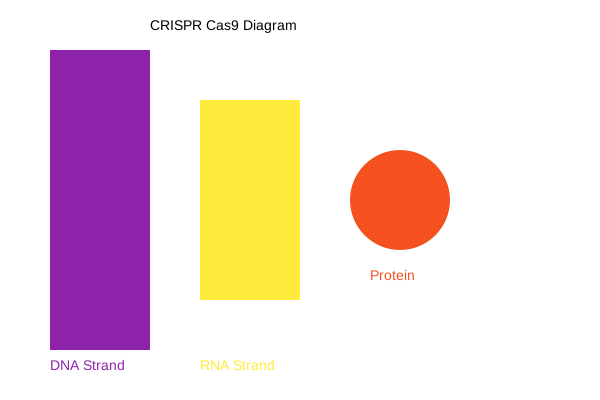
The process involves using an RNA molecule to guide the Cas9 enzyme to a specific sequence of DNA. Once there, Cas9 acts like a pair of molecular scissors, cutting the DNA at the desired location.
Applications of CRISPR
- Medicine: Potential treatment for genetic disorders like cystic fibrosis and sickle cell anemia.
- Agriculture: Development of crops resistant to pests and environmental changes.
- Biotechnological Innovations: Creating biofuels and more efficient industrial processes.
Ethical Considerations
With great power comes great responsibility. CRISPR technology raises ethical questions, particularly concerning human genetic enhancements and ecological impacts.